
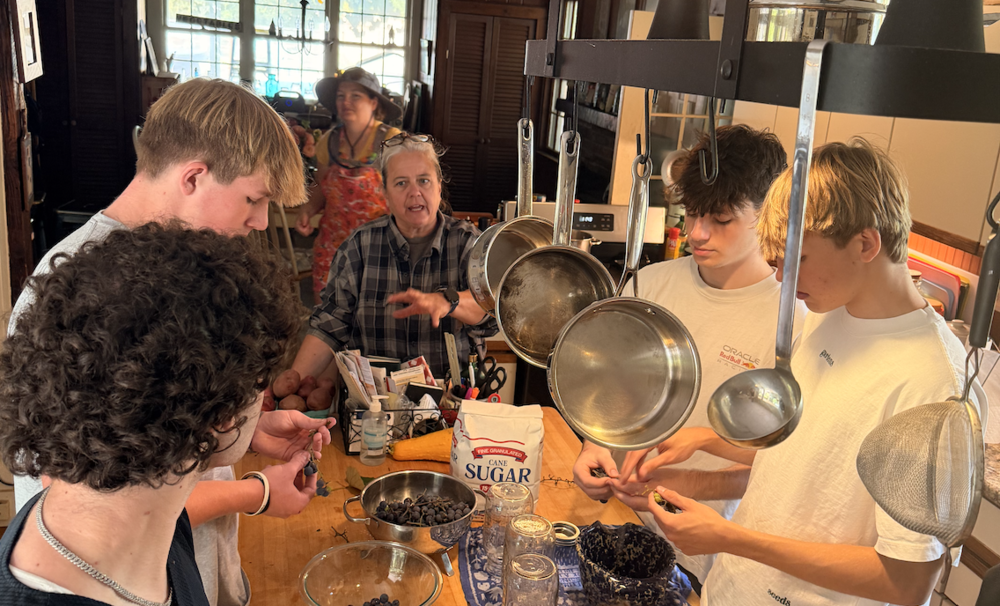
A $2,000 grant from Maine Agriculture in the Classroom will make farm field trips free this school year for students in Marshwood High School's From the Ground Up course.
The award is part of Maine Agriculture in the Classroom's 2026 Agriculture Awareness 2K grant program and will cover admission and program fees that students would otherwise pay. In its Sept. 17 award letter, the organization credited the owners of Maine agriculture specialty license plates with funding the grants.
Dawn Lalos, the school's Family and Consumer Sciences teacher, has 10 students in the class this semester and expects about 24 to take the course across both semesters. Students must first complete Food Science, which introduces them to the science behind food. From the Ground Up takes that learning onto farms, where students see what happens before food reaches the kitchen.
“My biggest goal is for students to understand that food doesn't simply appear at the grocery store,” Lalos said. “There is an entire system with many people working to produce what ends up on our plates.”
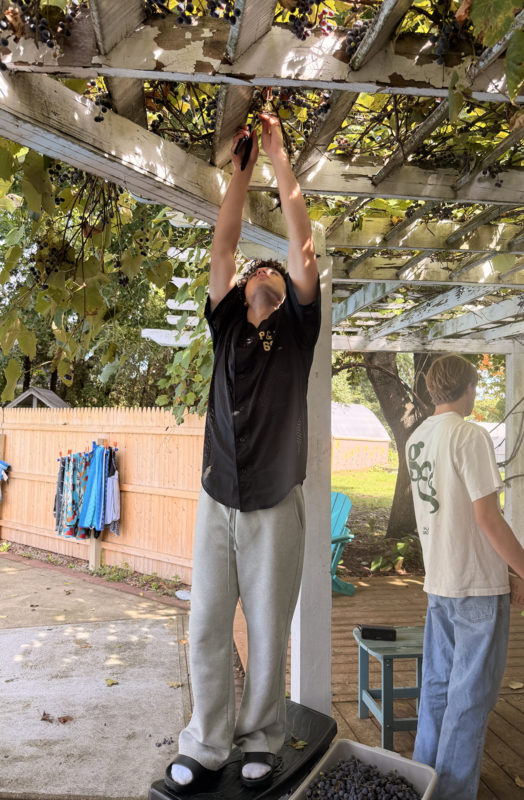
The class visited McDougal Orchards in Springvale on Sept. 23, where co-owner Polly McAdam, an eighth-generation member of the farm family, led the visit.
Students learned about caring for trees, picking apples properly and processing them after harvest. Lalos said the visit helped students understand the year-round work of running an orchard.
“One of the biggest takeaways for me was seeing students begin to understand the amount of work that happens behind the scenes before something as simple as an apple reaches the consumer,” she said.
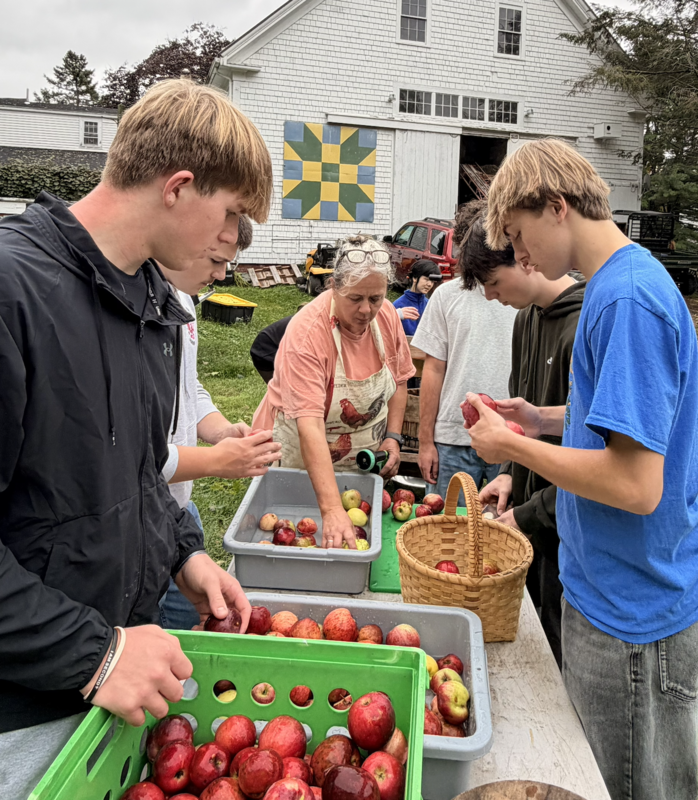
At Sturgeon Creek Farm in Eliot, students return each week to work. Their assignments depend on the season and what needs to be done.
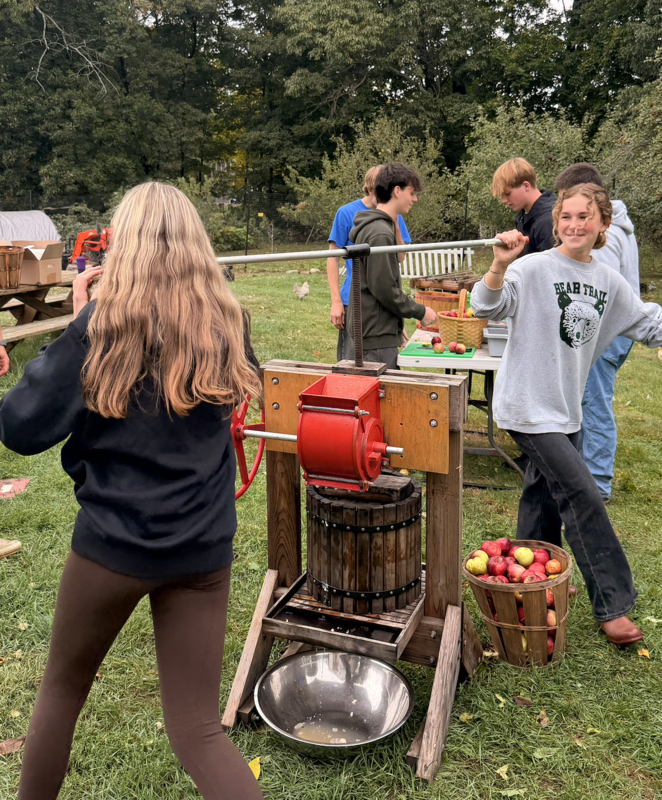
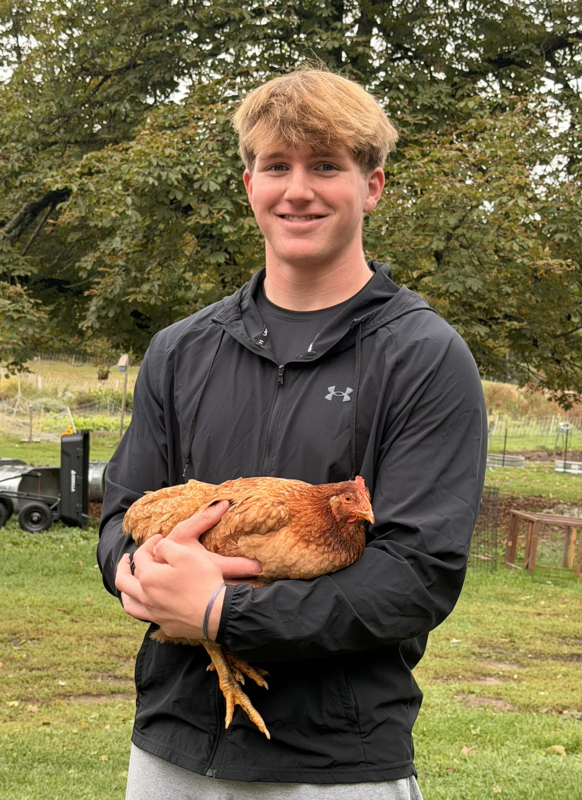
That work can include harvesting grapes and making juice, gathering apples and making cider with an old-fashioned press, and cleaning and preparing garden beds, Lalos said. Students also prepare and plant garlic, clean chicken coops and collect eggs.
“Students experience the work involved in producing food rather than simply reading about it,” Lalos said. “They learn that farming requires responsibility, flexibility, teamwork, problem-solving, and a willingness to do whatever job needs to be done.”
The work also gives students practice communicating and managing their time, Lalos said. Back in class, they discuss what they observed, what surprised them and how those experiences connect to food production, sustainability and the role farms play in their communities.
Planned trips include Smiling Hill Farm in Westbrook, where students will learn about dairy farms, and Wolfe's Neck Center in Freeport, where they will explore regenerative agriculture and sustainable farming practices. At Pineland Farms in New Gloucester, students will participate in a Discovery Program, Lalos said.
This semester, students will also begin using a hydroponic garden tower and running a mobile school store. The tower and a cart for the store were purchased with two grants Lalos received from the Marshwood Education Foundation last year. A third foundation grant paid for materials to successfully hatch chicks in her classroom.
The course will become a yearlong class in the 2027-28 school year, allowing more time for agricultural experiences.
She hopes students will use those skills whether they live on a farm or in an apartment, growing food, preparing meals, reducing waste and making informed choices as consumers.
“I also hope students take away a greater sense of independence,” Lalos said.